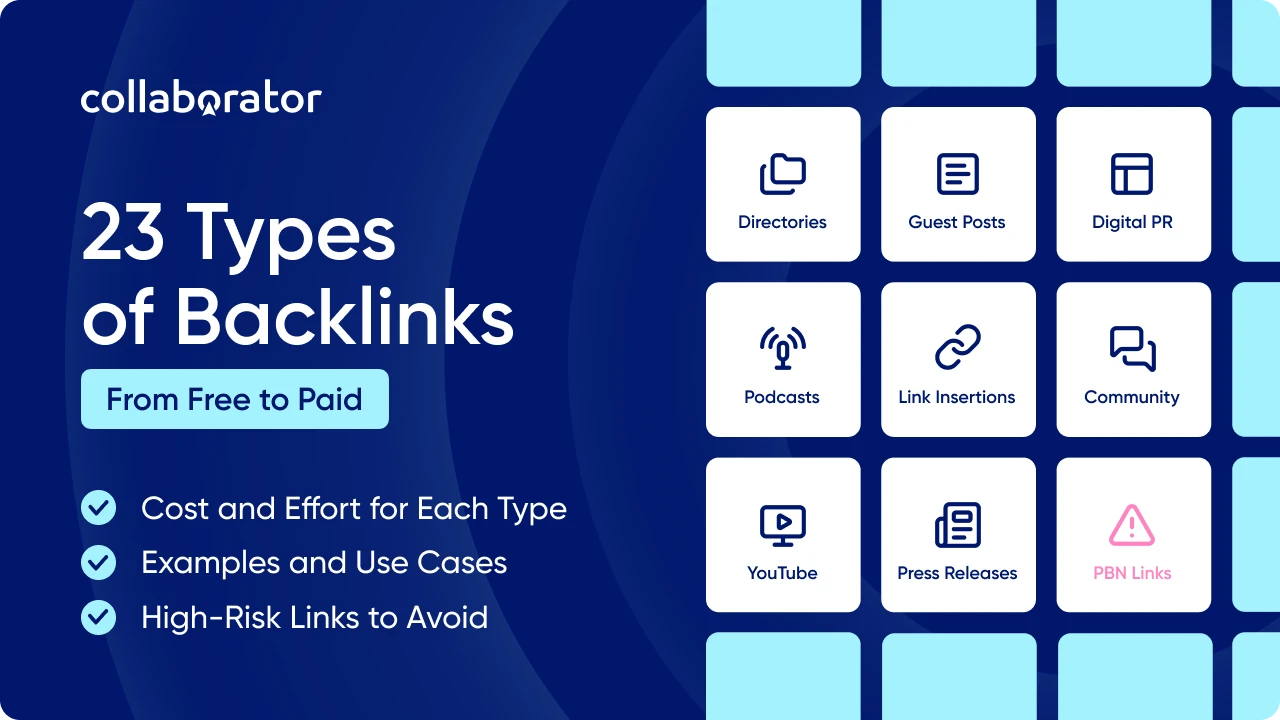
There are many types of backlinks, and their value to your site can vary a lot. The source, placement, cost, and the way you get a link all matter when deciding whether it's worth pursuing.
To help you compare your options, I've grouped 23 common backlink types by what they cost and what they take: free links to start with, free links that take more work, usually paid placements, and high-risk links to avoid. For each one, you'll find:
- How it works and the effort involved
- What it costs
- The goal it supports
- What to watch out for
I've also included a decision table in the last section to help you prioritize the right backlink types for your site.
Key Takeaways
- Start with free links. Directory listings, business profiles, and partner pages cost nothing and usually go live within days. They add little authority on their own, but they give a new site its first links.
- Editorial links, digital PR, and relevant guest posts are the most valuable link types in SEO, since they come from pages your audience reads.
- Nofollow, sponsored, and UGC links can still send traffic and build visibility. Google treats these attributes as hints.
- Paid links need rel="sponsored" or rel="nofollow". PBNs, excessive link exchanges, and widely distributed footer links fall under Google’s link spam policies.
- You don’t need all 23 link types. Focus on a few that match your business model and resources, and track the results.
Backlink Types Compared at a Glance
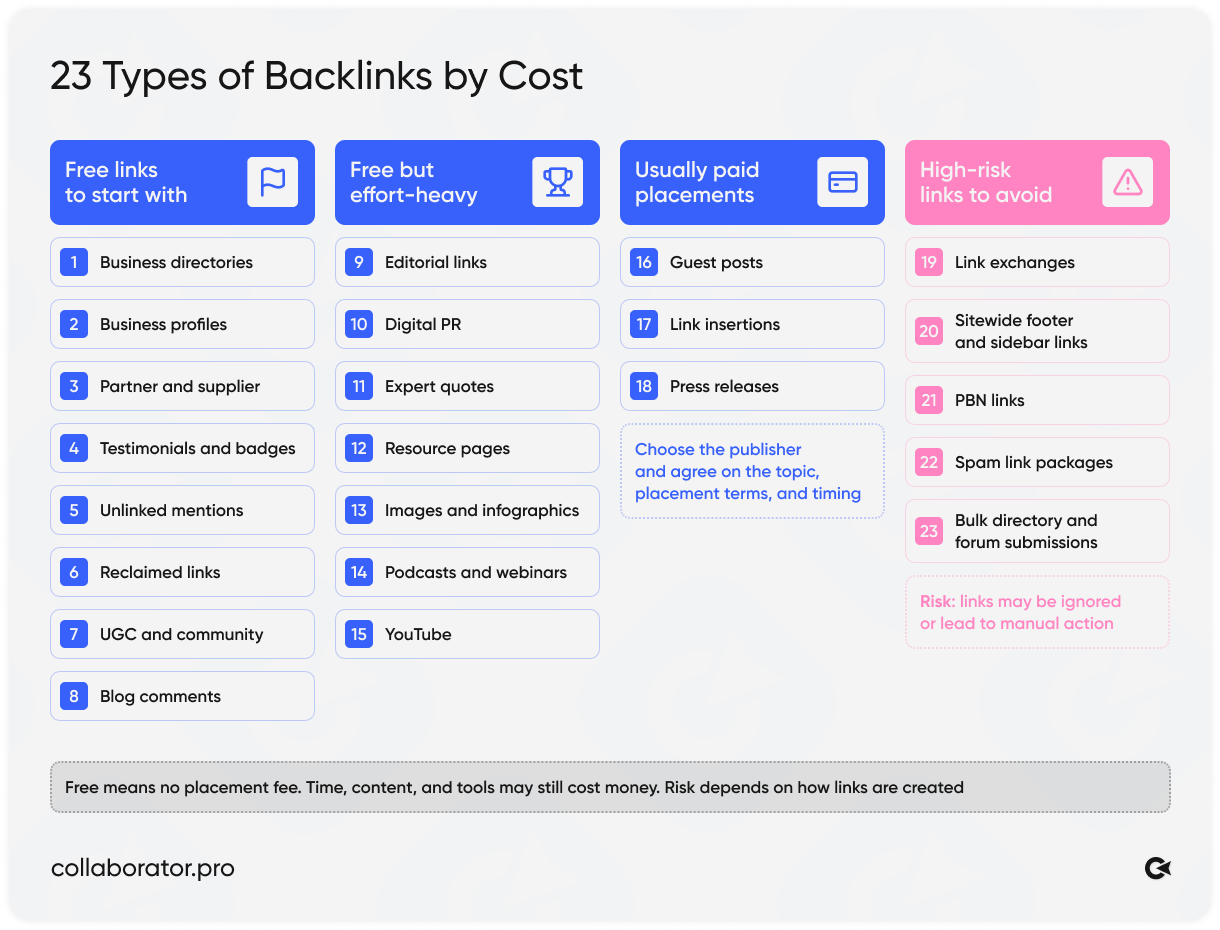
The tables below show how you get each one, the effort involved, and the goal it supports.
Free Links to Start With
|
Link type |
How you get it |
Effort |
Goal it supports |
|
1. Business directory |
Add your business to relevant directories |
Low |
Local visibility |
|
2. Business and product profile |
Create profiles on platforms like Crunchbase or G2 |
Low–moderate |
Product discovery |
|
3. Partner and supplier |
Get listed on websites of businesses you work with |
Moderate |
Partner referrals |
|
4. Testimonial and badge |
Give a testimonial or offer a badge others link back to |
Low–moderate |
Brand trust |
|
5. Unlinked mentions |
Ask authors to link existing mentions |
Low–moderate |
Links from existing coverage |
|
6. Reclaimed links |
Fix broken links or recover removed ones |
Low–moderate |
Recovering lost links and traffic |
|
7. UGC and community |
Share useful answers on Reddit, Quora, or niche forums |
High, ongoing |
Referral traffic, mentions |
|
8. Blog comments |
Add thoughtful comments to relevant posts |
Low per comment |
Blogger relationships |
Free options vary by platform. Unlinked mentions and reclaimed links are starting points for businesses that already have coverage or backlinks. Community links take more work and may be removed.
Free but Effort-Heavy
These involve no placement fee when earned, but content creation and outreach still take time and money.
|
Link type |
How you get it |
Effort |
Goal it supports |
|
9. Editorial |
Publish data, tools, or guides writers cite |
High upfront |
Research citations, relevant visibility |
|
10. Digital PR |
Pitch useful stories and data to journalists |
High |
Brand awareness, media coverage |
|
11. Expert quotes |
Answer journalist requests |
Moderate, ongoing |
Expert visibility |
|
12. Resource page |
Get added to useful lists in your niche |
Moderate |
Traffic to guides and tools |
|
13. Image and infographic |
Publish visuals others use and link to |
High upfront |
Attribution, links to research |
|
14. Podcast and webinar |
Appear as a guest on relevant shows |
Moderate–high |
Expert visibility, referral traffic |
|
15. YouTube |
Add links to your videos or earn creator mentions |
Varies |
Product discovery |
Usually Paid
|
Link type |
How you get it |
Effort |
Goal it supports |
|
16. Guest post |
Contribute an article to another publication |
Moderate–high |
New audiences, links to relevant pages |
|
17. Link insertion |
Get a useful reference added to an existing article |
Moderate–high |
Target-page visibility, referral traffic |
|
18. Press release |
Distribute an announcement through a newswire |
Moderate |
News distribution, brand awareness |
Guest posts and insertions can sometimes be free when an editor chooses to include your contribution or resource.
High-Risk Links
These practices can fall under Google’s link spam policies, depending on how and why the links are created.
|
Link type |
What it is |
Why it’s risky |
|
19. Link exchanges |
Arranging links between websites |
Excessive exchanges designed to manipulate rankings are link spam |
|
20. Sitewide footer and sidebar |
Links repeated across many pages |
Widely distributed template links can fall under Google’s spam policies |
|
21. PBN |
Links from a network built to manipulate rankings |
The network’s purpose falls under link-spam practices |
|
22. Spam link packages |
Bulk packages of automated comment, profile, and forum links |
Automated link creation and spam posting fall under Google’s policies |
|
23. Bulk directory submissions |
Paying for mass submissions to directories |
Low-quality directory links fall under Google’s spam policies |
Now let's look at each group, starting with the links you can get without a budget.
Free Backlinks to Start With
The first group costs nothing except your time, and most of these links go live within days. Each one adds little authority on its own, and many are nofollow.
What they give you is a base: your business becomes easier to find and verify, and a new site gets its first links while you plan bigger campaigns.
Business Directory and Citation Links
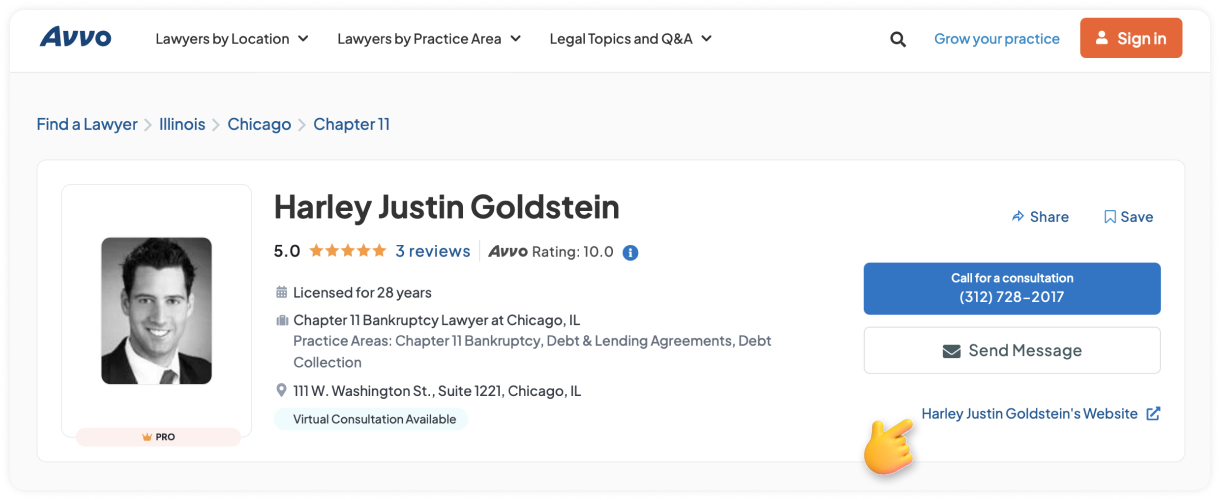
Business directory backlinks are links to your website from listings on platforms such as Yelp, Avvo, or Houzz. These listings usually include your business name, address, and phone number. In local SEO, those mentions are called citations, even without a link.
For local businesses, consistent listings support visibility in Google Maps and the local pack. Start with the platforms that matter most for your business:
- Google Business Profile
- Bing Places and Apple Business Connect
- Industry directories, like Avvo for lawyers or Houzz for contractors
- Local chambers of commerce and business associations
Here's an example of an Avvo listing for a Chicago lawyer. It shows his practice areas and contact details, with a link to his website.
If you're unsure which platforms deserve your time, our guide to the best review sites compares 42 options by industry, audience, cost, and how they handle reviews.
What to keep in mind: Make sure your name, address, and phone number are identical across every listing. Pick directories your customers use. Paying for bulk submissions to hundreds of unknown directories is a different practice, and a risky one (more on that in #23).
Business and Product Profile Links
Platforms like Crunchbase, G2, Capterra, and others let companies create profiles that link to their website.
While local directories help people find nearby businesses, these profiles give potential customers a place to learn about your company and compare it with alternatives.
Here's what our profile on Crunchbase looks like. Alongside a description of our platform, there's a website link that takes visitors straight to our site.

What to keep in mind: Profile links are often nofollow. Their main value is helping people discover and check your business, so there's little reason to create profiles on every platform you find.
Partner and Supplier Links
Integration partners, distributors, and vendors often list the companies they work with. A software tool might have an integrations page, and a manufacturer might list authorized retailers.
These links come from existing business relationships, which makes them relevant by default. Start with the companies you already work with:
- Software you integrate with
- Suppliers and distributors
- Agencies or consultants you partner with
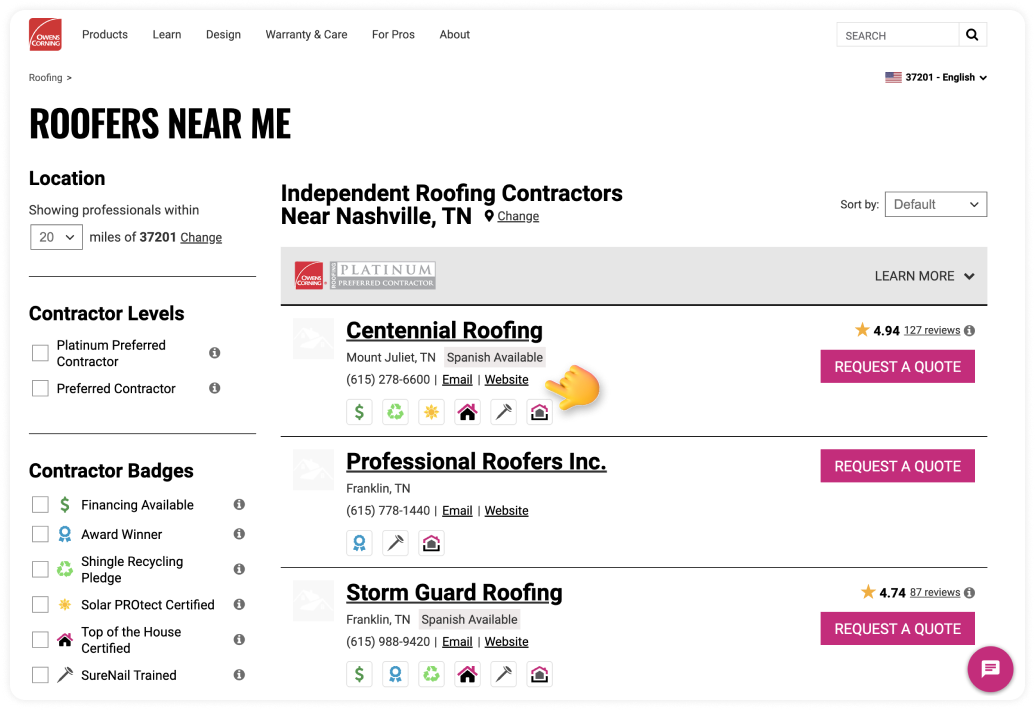
Ask whether they have a partners, integrations, or "where to buy" page that could list you. For example, Owens Corning lists certified roofing contractors on its website. The listings include a link to each contractor's site, as you can see below.
What to keep in mind: Google's spam policies flag "partner pages exclusively for the sake of cross-linking." A page that lists the companies you work with is fine.
Testimonial and Badge Links
Software and service companies often publish customer testimonials with a link to the reviewer's website. Awards and certifications work in a similar way: the winner displays a badge that links back to the organization behind it.
For testimonials, make a list of the tools and services you use and like. Many vendors have testimonials or case study pages and are happy to feature customers.
Badges work the other way around. If you run an award or certification, the badge on each winner's site can link back to you.
What to keep in mind: Only write testimonials for products you use. Google's spam policies also flag "keyword-rich, hidden, or low-quality links embedded in widgets that are distributed across various sites," which covers badges built mainly for links.
Links From Unlinked Brand Mentions
An unlinked brand mention is a reference to your business, product, or research that doesn't include a backlink. Since the author already knows who you are, asking them to add a link is a small request.
The easiest way to find these mentions is to set up alerts for your brand name with Google Alerts or a mention-tracking tool like AlertMouse.
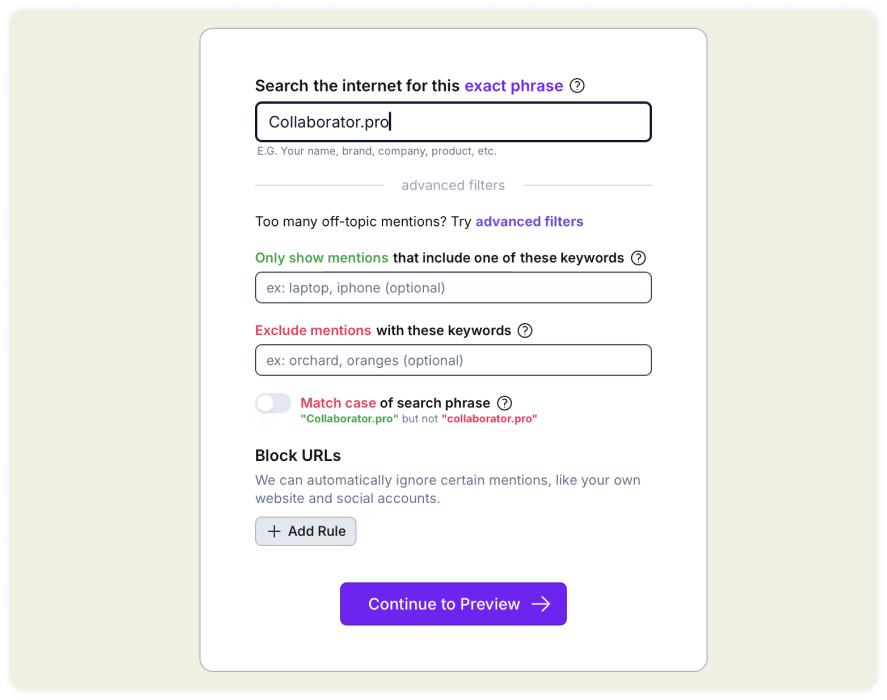
When a mention shows up without a link, reach out to the author. Keep it short and friendly. Thank them for including you and suggest the page that would help their readers most, like the full report if they quoted your study.
What to keep in mind: This tactic depends on people already writing about you. Newer brands may not find many mentions to work with yet.
Reclaimed Lost Links
A reclaimed backlink is a link you recover after it has been removed or stopped working.
Unlike an unlinked mention, this opportunity starts with a link you already had. A page may have moved during a redesign, or a publisher may have updated an article and removed the reference.
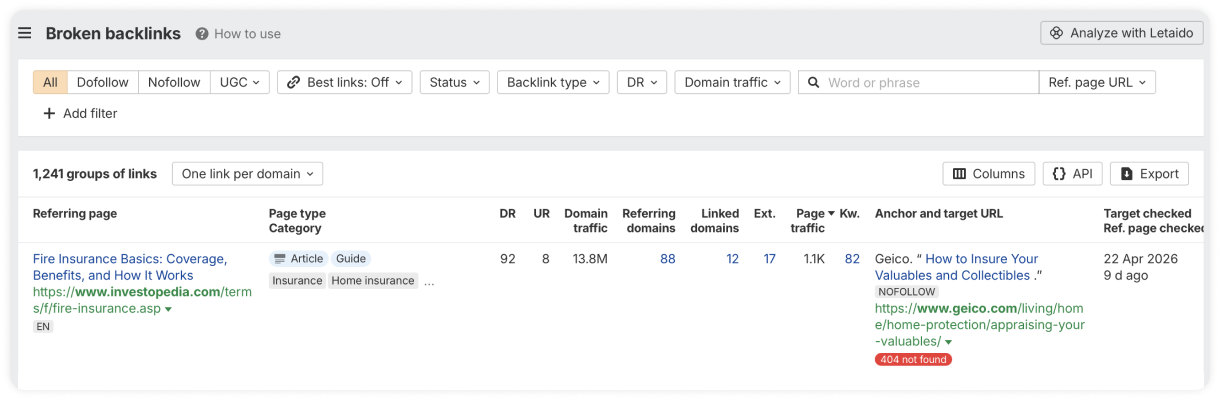
To find these links, check the lost-link and broken-page reports in a backlink tool like Ahrefs or Semrush. Then pick the fix that fits each case.
- If the page moved, set up a 301 redirect from the old URL to the new one.
- If the publisher removed or changed the link, ask whether they can add it back.
Here's what that looks like in practice. In the screenshot below, you can see that Investopedia's fire insurance guide links to a GEICO article that Ahrefs reports as broken. If that article has moved, a redirect from the old URL would send readers to the new page, along with any value the link passes.
What to keep in mind: Find out why a link was lost before asking for it back. If the article has changed, your page may no longer fit.
UGC and Community Links
User-generated content (UGC) links appear where users write the content. The most popular platforms are Reddit, Quora, Stack Exchange, niche forums, and Facebook or LinkedIn groups.
These links are usually marked rel="ugc" or rel="nofollow." Visibility is the main benefit. A helpful answer in an active thread can send relevant traffic, and community discussions often appear in Google results for product and comparison searches.
You can see an example of this type in the screenshot below, where a forum member shares our parasite SEO guide in response to a question about the topic.
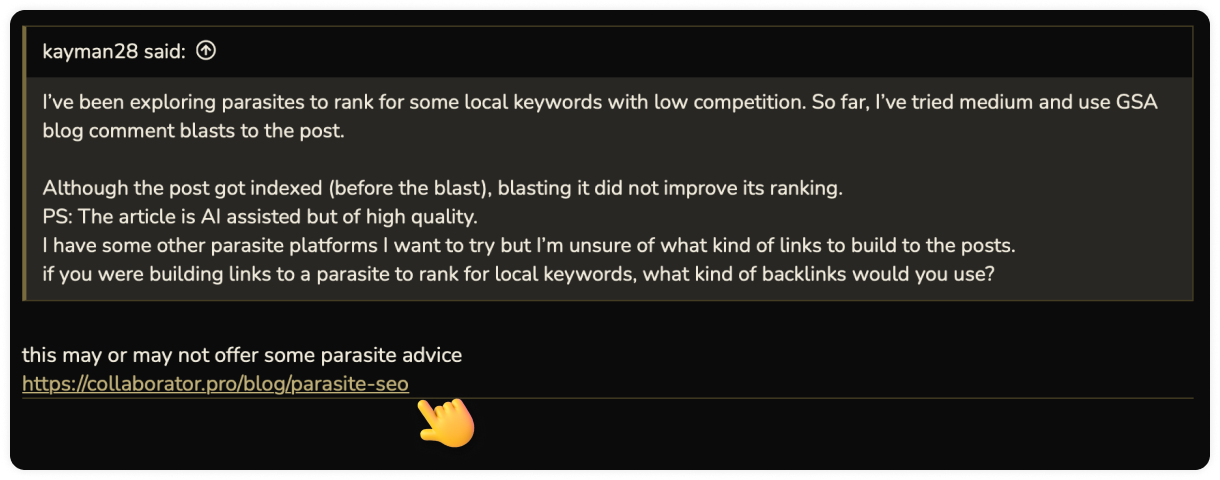
What to keep in mind: These links are hard to get and even harder to keep. Moderators and spam filters remove self-promotional links, sometimes along with the account that posted them. Treat any link that stays up as a bonus, and don't build a campaign around this type.
Blog Comment Links
Blog comment links appear in the comment sections of other blogs, usually attached to the commenter's name.
Since WordPress 5.3, comment links get rel="nofollow ugc" by default, which means they pass little SEO value. A thoughtful comment can still get you noticed by a blogger in your niche, which can lead to a guest post or collaboration later.
What to keep in mind: Automated or keyword-stuffed comments are spam. Comment only when you have something to add to the discussion.
Links You Earn: Free but Effort-Heavy
The next group is free too, but each link takes weeks or months of work. Writers and site owners link to you because your content helps their readers. You can't control when or where these links appear. That's also why search engines value them so much.
Editorial Links
An editorial backlink is a link an author adds because your research, tool, or explanation supports their content. Usually, you can bring the resource to their attention, but they decide whether it's worth citing.
The best way to earn editorial links is to publish something that makes other writers' content more useful, such as:
- Original data (surveys, benchmarks, or studies)
- Free tools and calculators
- In-depth guides
For example, our research on traffic estimates was cited in an article comparing website traffic checkers.
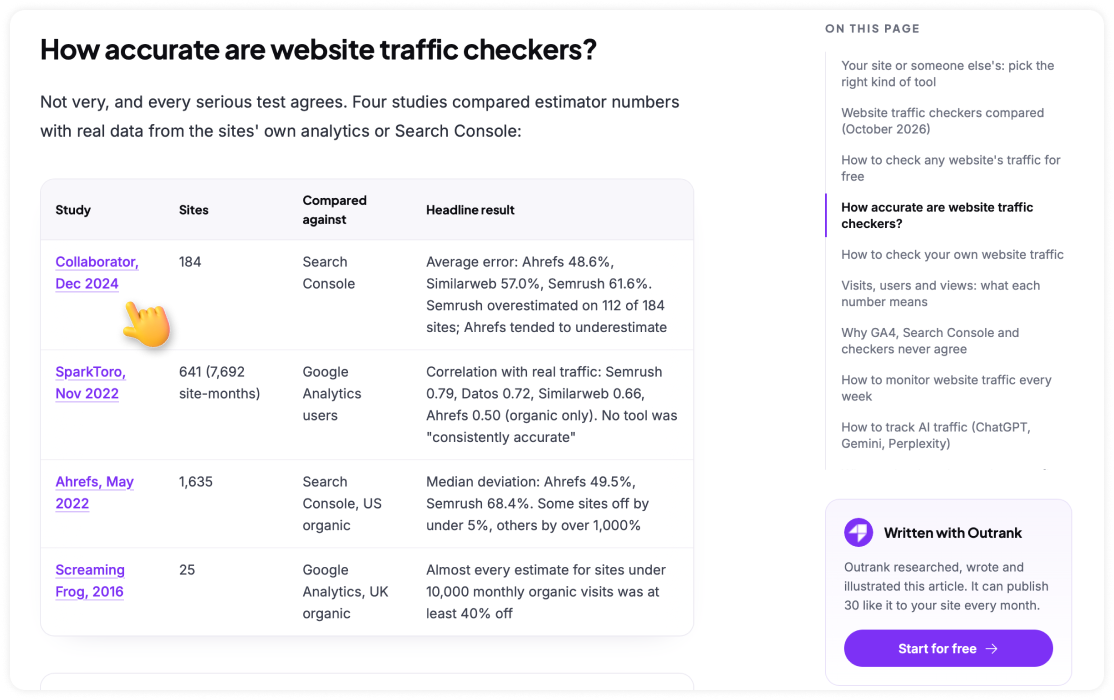
What to keep in mind: Creating and promoting the resource takes work. It may take months to attract links, and publishing it doesn't guarantee citations.
Pro tip: Writers can only cite what they've seen. Once your asset is live, share it with journalists and bloggers who cover your topic, so it's on their radar the next time they research.
Digital PR Links
Digital PR links come from coverage you earn by pitching a newsworthy story, study, or expert perspective to relevant publications.
The difference from a typical editorial link is the outreach behind it. You actively give journalists a story they can use, such as:
- Original data they can't get anywhere else, like a survey or industry analysis
- Quick expert commentary on breaking industry news
- Maps, rankings, or charts that are easy to publish
Relevance matters a lot here. In Muck Rack's State of Journalism report, 88% of journalists said they delete pitches that don't match their beat. When a story lands, other outlets often pick it up, and one campaign can bring links from several publications.
What to keep in mind: Journalists often mention a brand without linking to it. Track your coverage and follow up on unlinked mentions (see #5).
Expert Quote Links
Expert quote links are backlinks you get when a journalist quotes you as a source and credits your website or author page. They work like digital PR on a smaller scale. You answer one question, and if your answer makes the cut, the article links back to you.
Most requests come through platforms like HARO (relaunched by Featured.com in 2025), Qwoted, and Source of Sources. Journalists post what they need, and you send a short reply.
They get a lot of replies, and yours needs to be easy to use. A strong response:
- Answers the question directly before adding background
- Includes a specific detail readers can learn from, like a number or a quick example
- Shows in one line why you're qualified to comment
Here's an example. Ideal Home quotes Rhiannon Masters from bedding brand Piglet in Bed when explaining how to choose bedding fabrics. Her advice helps readers compare materials, and the article links to the brand when introducing her.
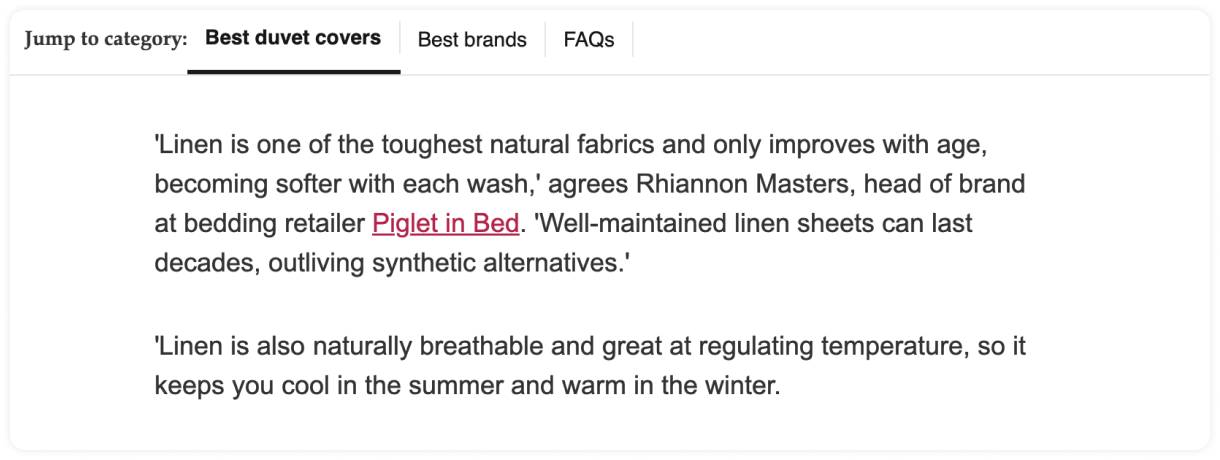
What to keep in mind: Expect a low hit rate. Most replies never get published, and some outlets quote experts without linking to them.
Resource Page Links
A resource page backlink is a link from a page that collects useful guides, tools, or websites on a particular topic.
The publisher has already created a list of recommendations. Your job is to find pages where your resource would be a useful addition.
Free tools, templates, and detailed guides are good candidates. For example, a cash-flow calculator could fit a page of resources for small-business owners.
To find suitable opportunities:
- Search for your topic alongside phrases such as "useful resources" or "recommended tools."
- Read the page to understand who it helps and what it already includes.
- Contact the person responsible and briefly explain why your resource would help their readers.
What to keep in mind: Check when the page was last updated. Some resource pages haven't been touched in years, and some exist only to sell links.
Image and Infographic Links
An image backlink is a link you get when another site uses your chart, infographic, or illustration and credits you as the source.
Writers often need a visual to explain a trend or a process. If yours already shows it clearly, they'd rather embed it than make their own. The visuals that get reused most are the ones that save writers time, like:
- Charts based on your own data
- Diagrams that explain a process step by step
- Comparison graphics, such as feature or pricing breakdowns
You can see how this works in BlazeHive's article, which uses a chart from HubSpot's 2026 State of Marketing report and links to HubSpot in the credit below it.
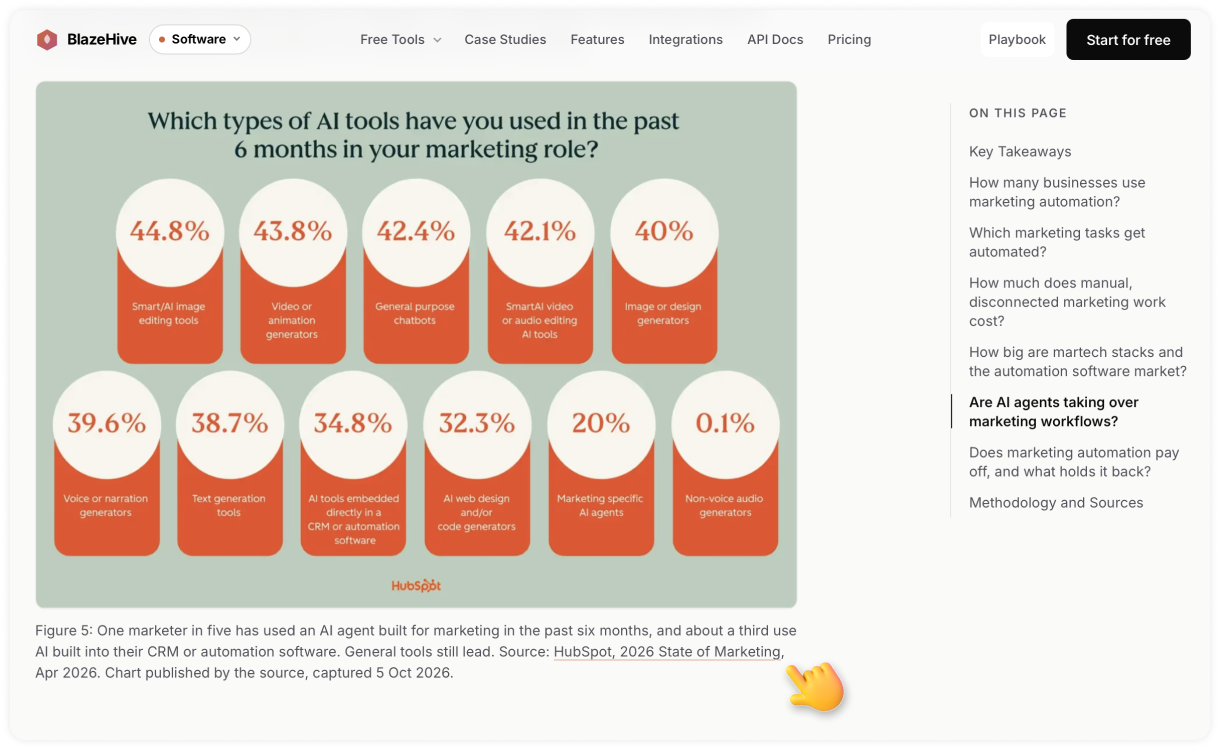
What to keep in mind: Someone using your image doesn't automatically give you a backlink. A written credit or your logo inside the graphic may identify you without linking to your website.
Podcast and Webinar Links
Podcast and webinar backlinks are links to your website from episode descriptions, show notes, or speaker profiles when you appear as a guest.
Appearing on a relevant show gives potential clients a chance to hear your expertise firsthand. The host can also link to your business or a resource you discuss, giving listeners a way to follow up.
Take Barbara Jovanovic, founder of marketing agency Startup Cookie. She appeared on HubSpot's Marketing Against the Grain podcast, and the episode description links to both her LinkedIn profile and the agency's website.
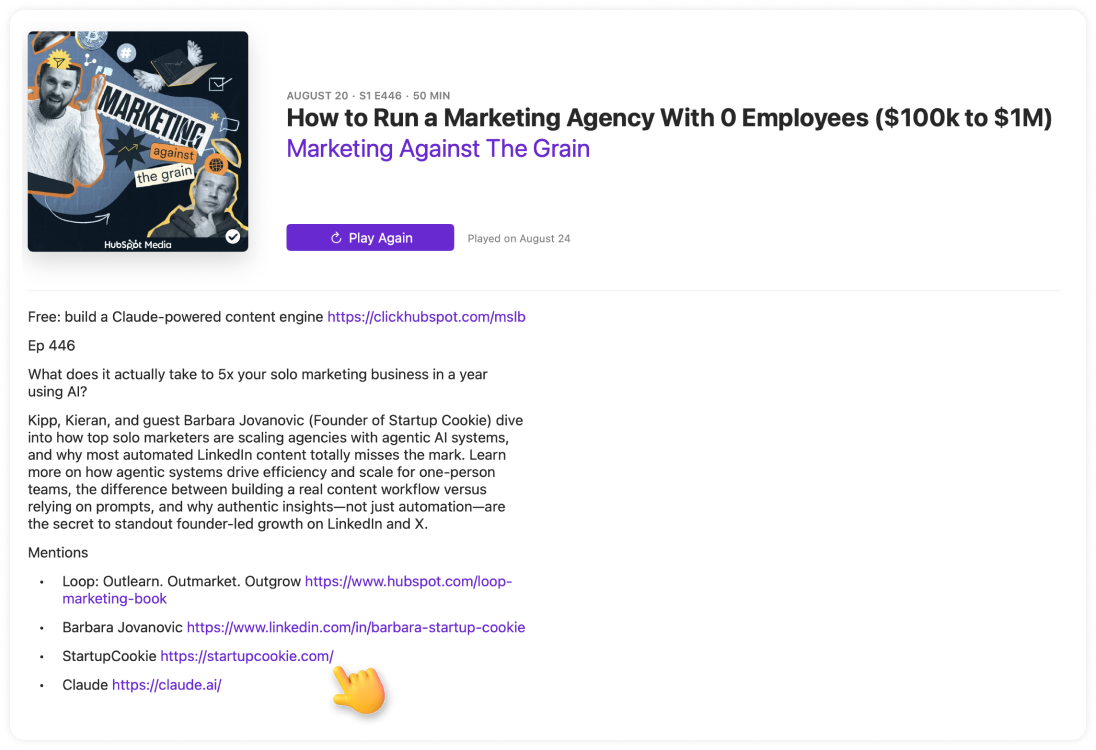
To find similar opportunities, look for podcasts and webinars that regularly feature experts from your field. Listen to a recent episode or watch a recording, and pitch a topic you can discuss from experience.
What to keep in mind: An appearance doesn't guarantee a backlink. Check previous episodes or event pages and ask how the host shares guest links.
YouTube Links
YouTube backlinks are links to your website from video descriptions or channel profiles. You can add them to your own content or receive them when a creator features your business.
These work much like podcast links. A creator might link to your website after an interview, product review, or tutorial, giving interested viewers a way to learn more. A product review can be particularly useful when viewers are comparing options.
Quick note: YouTube can also put your content in front of people using AI search. Ahrefs found that YouTube accounted for 5.6% of cited URLs in its Google AI Overviews study.
What to keep in mind: Choose videos and channels that reach your potential customers. A relevant audience matters more than a large subscriber count alone.
Usually Paid Links: Placements You Control
With earned links, someone else decides whether to link to you and when. The next group usually costs money. In return, you propose the content, choose the site, and know roughly when the link goes live.
Guest Post Links
A guest post is an article you write for another publication. In return, you usually get a contextual link to a relevant page on your site or an author bio.
SEOs still rate guest posting as one of the most effective ways to build links. Part of the reason is reach. A guest post puts your expertise in front of people who may not know your business yet.
Take Ryan Robinson's guide to meta descriptions on our blog. He shares his expertise with Collaborator's readers, and his author profile includes a link to his company, RightBlogger.
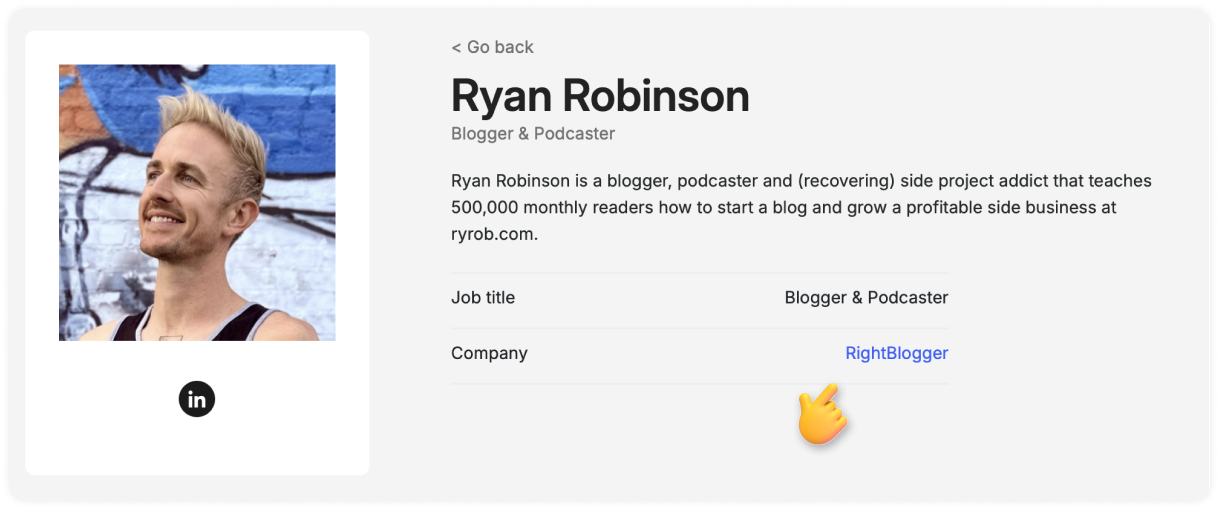
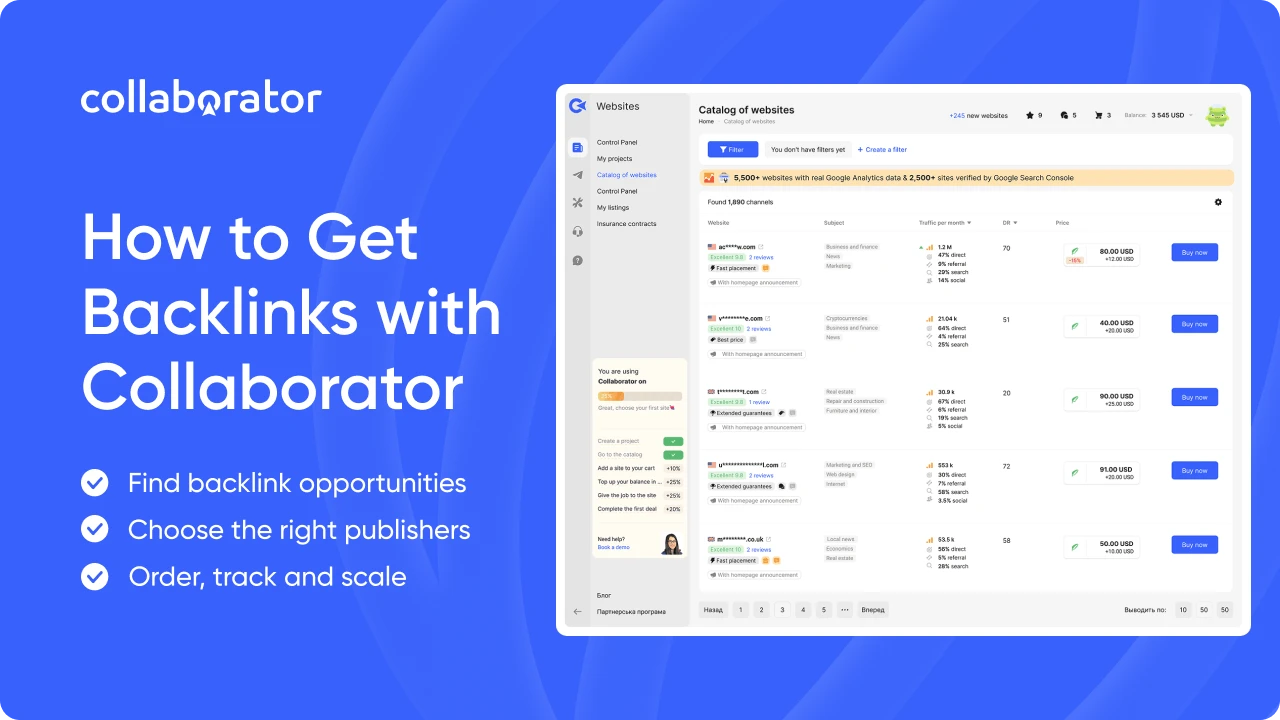
Some publications accept free contributions from experts, like the example above. Many others charge for placement. Finding those sites, pitching them, and agreeing on terms one by one can take weeks before anything is published. Through a marketplace like Collaborator, you order the placement directly, and it usually goes live within a few days.
To find publications where you could share your own expertise, browse our list of guest posting sites, grouped by category.
What to keep in mind: Google's spam policies list "links with optimized anchor text in articles, guest posts, or press releases distributed on other sites" as link spam. Write for relevant sites and keep your anchors natural. Paid placements should also use rel="sponsored" or rel="nofollow", even when the site is relevant and the anchor reads naturally.
Link Insertions (Niche Edits)
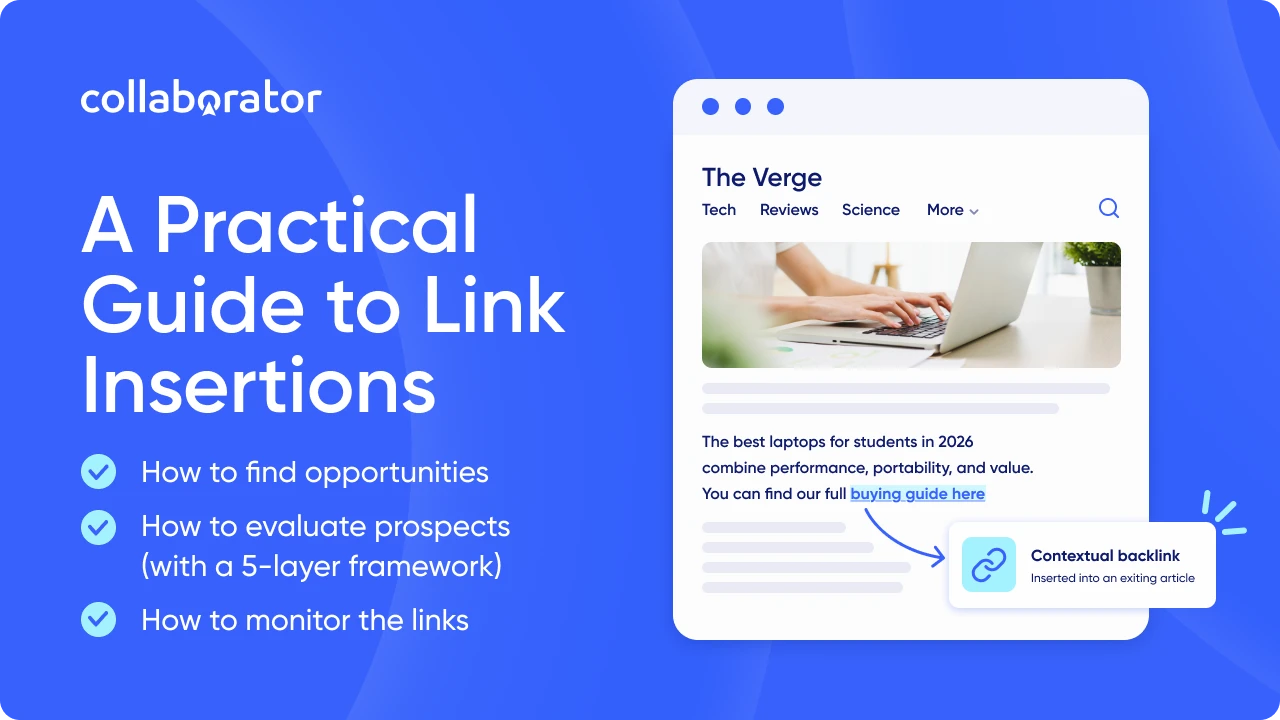
Link insertions are backlinks added to an article that's already published. You'll also hear them called niche edits.
With a guest post, you contribute a whole article. Here, you suggest a resource that improves something the publisher has already written.
Your page could help them:
- Replace an outdated statistic with newer research.
- Explain a point their article only briefly covers.
- Give readers a tool or template to put the advice into practice.
The advantage is that the article may already rank, attract visitors, and have backlinks of its own.
Quick note: Publishers sometimes add a link for free when your page replaces a broken or outdated source. Expect a low success rate with unpaid requests, since you're asking an editor to reopen a finished article with nothing in return. Most insertions are paid, and once the publisher accepts, the link can go live within days.
What to keep in mind: Paid insertions follow the same rules as paid guest posts, and the publisher should mark them as sponsored. A link dropped into an unrelated paragraph also looks out of place to readers and search engines alike.
Press Release Links
Press release links come from announcements distributed through newswire services like PR Newswire or Business Wire. The release gets republished on partner sites, usually with a link back to you.
If you're launching a product, opening a location, or announcing funding, a press release helps you share the news and link readers to more details. To find a service that fits your industry and target market, browse our list of press release sites.
What to keep in mind: Distribution doesn't guarantee media coverage, though a journalist who picks up your story may link to you in a separate article. Paid release links should carry sponsored or nofollow attributes. Focus on getting your news in front of the right people.
High-Risk Backlinks to Avoid or Use With Care
Our final group of link types shows up in plenty of link-building offers, often at low prices. Each one falls under Google's link spam policies in at least some forms, and it's worth knowing where the line is.
Link Exchanges
A link exchange is an agreement between two sites to link to each other.
Reciprocal links happen naturally between sites in the same industry. In Reporter Outreach's 2026 survey of 500 SEO professionals, 43.8% said they use link exchanges.
The problem starts when exchanges are arranged at scale. Google's spam policies list "excessive link exchanges ('Link to me and I'll link to you')" as link spam.
What to keep in mind: Ask yourself whether you would still include the link without receiving one in return. If it helps your readers, there's a reason for it beyond the exchange.
Sitewide Footer and Sidebar Links
These links sit in a site's footer or sidebar, which means they repeat on every page. A web design agency credited in a client's footer is a common example.
Google's spam policies list "widely distributed links in the footers or templates of various sites" as link spam. A single credit link with your brand name is low risk. Paid sitewide placements with keyword-rich anchors are the version to avoid.
What to keep in mind: If you need a footer credit, use your brand name as the anchor or ask for the link to be nofollow.
PBN Links
A private blog network (PBN) is a group of websites run by one owner to pass link equity to other sites. The sites often look like ordinary blogs, but they're usually built on expired domains that already have backlinks.
Google's spam policies don't name PBNs directly, but PBN links fall under several listed practices. These include buying links and "creating low-value content primarily for the purposes of manipulating linking and ranking signals." When Google detects a network, it can ignore its links, and sites that bought them may receive a manual action.
What to keep in mind: PBN links are often sold as "high DR" placements. Check the site's organic traffic, content quality, and outbound links. A high-DR site with no traffic and dozens of unrelated outbound links is a red flag.
Spam Link Packages
Spam link packages are bulk offers like "1,000 backlinks for $20." Sellers create them with automated software that posts links in blog comments, forum profiles, wikis, and bookmarking sites.
The low price is the giveaway. A relevant placement on a site with traffic can't be produced a thousand times for a few dollars. Google's spam policies list "using automated programs or services to create links to your site" as link spam, and its SpamBrain system is built to detect and neutralize these links.
Google may ignore spam links, leaving you with no benefit from the purchase. Building or buying links to manipulate rankings can also lead to a manual action. If that happens, you need to fix the issue before submitting a reconsideration request.
What to keep in mind: If a seller can't show you the exact pages where your links will appear, don't buy. Check new referring domains in a backlink tool after any campaign you didn't run yourself.
Bulk Directory and Forum Submissions
Bulk submission services list your site in hundreds of directories or post it across forums for a fixed fee. They're often sold as "directory runs" or "forum blasts."
This type is easy to confuse with #1. A listing on Google Business Profile, Yelp, or an industry directory helps customers find you.
A run across hundreds of unknown directories helps no one, because nobody browses those sites. Google's spam policies list "low-quality directory or bookmark site links" and "forum comments with optimized links in the post or signature" as link spam.
What to keep in mind: Ask for the full list of sites before you pay. If the provider can't name them, or the list is mostly sites with no organic traffic, skip it and spend that budget on a few listings your customers use.
Now that you know the link types, there's one more layer to understand: how each link is labeled in the HTML.
What Do Dofollow, Nofollow, and Other Backlink Labels Mean?
Throughout this guide, you’ve seen that some links pass ranking value and others are marked nofollow, sponsored, or UGC. These labels come from the rel attribute in a link’s HTML. It tells search engines what kind of link it is and how much weight to give it.
|
Label |
What it means |
Where you’ll see it |
HTML |
|
Dofollow |
A regular link that can pass ranking signals |
Editorial links, resource pages, partner pages |
<a href="https://example.com"> |
|
Nofollow |
Asks search engines not to pass ranking credit |
YouTube descriptions, press releases, many business profiles |
rel="nofollow" |
|
Sponsored |
Marks paid placements and ads |
Paid guest posts and link insertions |
rel="sponsored" |
|
UGC |
Marks links added by users |
Blog comments, forums, community answers |
rel="ugc" |
There’s no “dofollow” attribute in HTML. SEOs use the word for a regular link without nofollow, sponsored, or ugc.
Want to check a link yourself? Right-click it, choose Inspect, and look for “rel” in the code. Backlink tools like Ahrefs also show the attribute for every link they find.
Are Nofollow Backlinks Worth Anything?
Yes. A nofollow link on a relevant page can still send visitors and put your brand in front of new readers. Since 2019, Google has treated nofollow, sponsored, and ugc as hints, which means it may still take these links into account.
A healthy backlink profile includes both types. If every link you have is followed and keyword-rich, that pattern looks less natural than a mix of links from different sources.
Which Backlink Types Should You Prioritize?
The best types of backlinks for your site depend on your business model, budget, and goals. Whatever the type, the strongest links come from relevant pages your audience reads. Here’s a starting point for common businesses:
|
Your business or situation |
Types to prioritize |
What they help you do |
|
Local business |
Directory and citation links, supplier links, association listings |
Reach nearby customers and make your business details easy to check. |
|
SaaS or B2B company |
Guest posts, expert quotes, product profiles, podcast appearances |
Share your expertise and reach people researching solutions. |
|
Ecommerce store |
Supplier links, product reviews, YouTube features |
Show shoppers your products and help them compare their options. |
|
Publisher of original research or tools |
Editorial links, digital PR, resource page links, image links |
Earn citations from writers who need useful sources. |
|
Established business with existing coverage |
Unlinked brand mentions, reclaimed lost links |
Get links from existing mentions and fix broken links to your pages. |
Not sure where to begin? Look at what’s working for your competitors. Our Free Backlink Checker shows a sample of any site’s backlinks, and you can see which link types they rely on.
Find Relevant Websites for Guest Posts With Collaborator
Collaborator lists 45,000+ verified websites. Filter them by niche, country, traffic, DR, and price, and check each site’s placement terms before you order.
Related reading