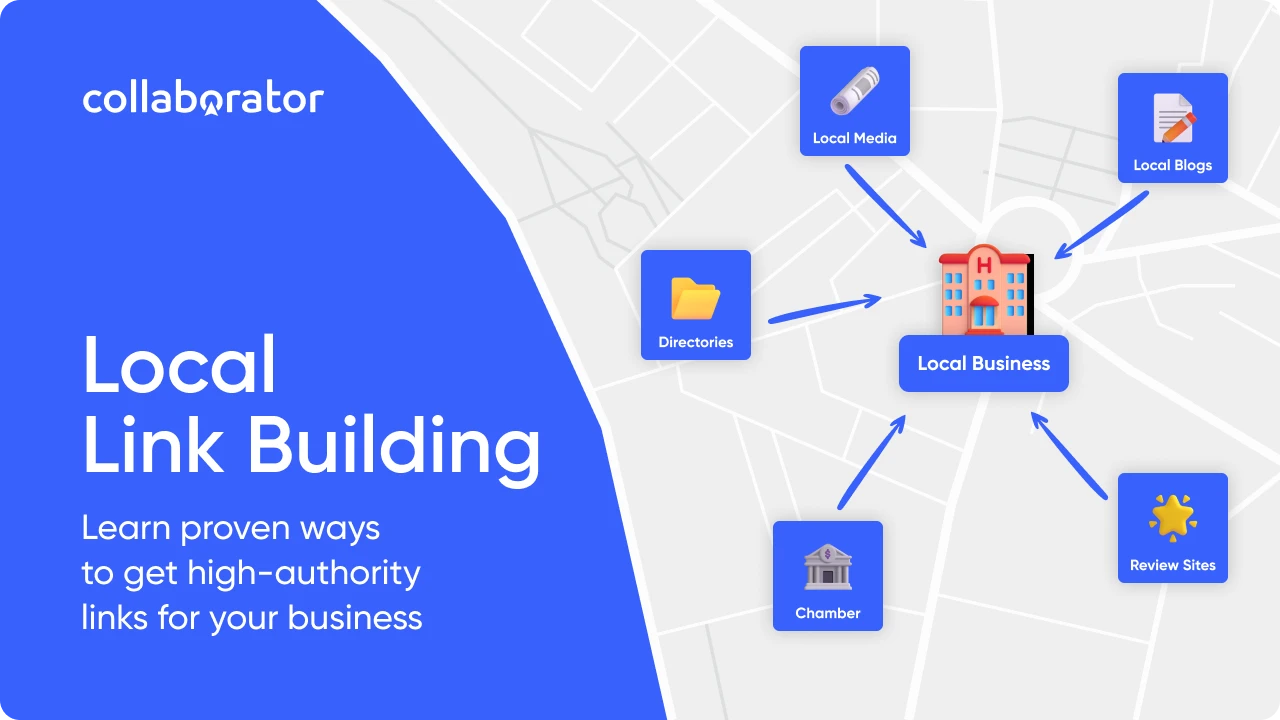
Local link building means earning backlinks from websites connected to your city, region, industry, or audience. These links help Google understand where your business operates and whether it’s trusted enough to rank. And as more people search with AI tools, the same local mentions can help your business show up in their answers too.
To build this guide, we analyzed real local backlink profiles to see where businesses are earning links and which tactics are actually worth doing. Read on to see what a strong local backlink looks like, the easy and harder ways to earn them, and a checklist to keep your efforts on track.
TL;DR
- Link signals are one of the top 3 local ranking factors, and they now influence your visibility in AI tools like ChatGPT, too, not just Google.
- The easiest wins in local link building are directories, chamber listings, partner links, unlinked mentions, event sponsorships, and review platforms like Yelp and Tripadvisor.
- Higher-authority links come from “best of” roundups, expert guides, media commentary, and local creator partnerships. More work, but harder for competitors to replicate.
- Not every link is worth chasing. One strong, relevant local link beats ten low-quality ones every time.
- A mix of anchor types and link sources always looks more natural to Google than going all-in on one type.
Are Backlinks Still Important for Local SEO?
Short answer — yes. Google’s own documentation says local rankings are influenced by three things: relevance, distance, and prominence. And prominence is directly shaped by the links pointing to your site.
Whitespark’s Local Search Ranking Factors survey backs this up. After polling 47 local SEO experts, link signals came out as one of the top ranking factors, both for local organic results and the local pack.
But it’s not just about rankings. Earning links from relevant local sources and review platforms can also put your business in front of people who are looking for recommendations.
Local Backlinks vs Citations: What’s the Difference?
In the world of local SEO, people often use “citations” and “backlinks” interchangeably. They aren’t the same thing, and here is the easiest way to look at it:
A local backlink is a live, clickable hyperlink from another website to yours. When a local news site mentions your business, they add a link that passes SEO authority, or “link juice,” directly to your site. This can help support your organic rankings.
A local citation is any online mention of your business’s core info, specifically your name, address, and phone number, often called NAP data. Think of platforms like Yellow Pages or a basic local directory listing.
The difference? A citation doesn’t always include a link to your website. Sometimes it’s just plain text on a page confirming that your business exists at a specific address.
While citations are essential for proving your geographic location to Google and building baseline trust, they won’t give you the ranking boost that a backlink does.
Now that we have that out of the way, let’s look at what to analyze when deciding on a backlink source.
What Makes a Local Backlink High Quality?
In contrast to regular links, a good local link needs to check these four simple boxes:
-
Locally relevant to your business. The site should be tied to your city, region, neighborhood, or local community.
-
Topically similar to your niche. There should be clear audience overlap, like a local real estate agent linking to a local plumber.
-
Supported by consistent organic traffic. The site should have indexed pages, decent DR, and signs of a real human audience.
-
Placed in a natural editorial context. The link should appear in useful editorial content, not on a spammy page created only to sell links.
Finding websites that fit this description is pretty straightforward. In the next section, we’ll show you where to look.
How to Find Local Link Opportunities
Before you start sending emails, you need a list of prospects. You don’t need to reinvent the wheel here; you can find almost all your best options using these three methods:
1. Run Location-Specific Google Searches
You can find relevant local blogs and resource pages with the help of specific search strings, also known as operators. If you’re a local business in Austin, try searching:
- site:.com Austin "write for us" "local business"
- Austin "resource page" "small business"
- Austin "best of" "local business"
These operators work, but going through the results one by one takes time. So if you'd like a faster starting point, check out our list of 175+ free guest posting sites (already grouped by category, with SEO metrics verified).
2. Analyze Competitor Backlinks
If a local competitor is outranking you, it’s highly likely they’ve already done the heavy lifting. Run their website through an SEO tool to see exactly where their local backlinks are coming from.
For example, inside Ahrefs or Semrush, you can check this data in the backlink profile tab.
Workflow shortcut: If you already have a competitor backlink list, upload it to My Lists in Collaborator to see which referring sites are available in the catalog. This helps you turn competitor research into real link opportunities faster.
3. Audit AI Search Results (Reverse GEO)
Ask AI models like ChatGPT or Gemini directly to see who they already recommend in your area. This shows you exactly which local blogs, directories, and forums the AI is crawling to build its answers.
Type in a prompt like, “Who are the best residential plumbers in Austin, Texas?” Then, look at the sources the AI cites in its response.
Pro tip: If the same local directories, blogs, or review sites appear in AI recommendations again and again, they may be worth adding to your outreach list.
9 Best Link Building Tactics for Local Businesses
Once you have a list of potential sites, the next step is choosing which links to build first. Below, we’ll split them into two buckets: the quick wins you can get started with fast, and the harder ones that take a bit more effort.
Easy Ways to Build Local Backlinks
Here are some of the tactics you can use to earn local links fairly quickly:
1. Get Listed in Relevant Local and Niche Directories + Review Sites
This is step one for any local business. Getting yourself on relevant platforms gives you a trusted link and puts you right where people are looking to buy.
To find relevant directories for your specific business, just type in your niche + directory in Google. For example, if you’re a dentist, you could get yourself mentioned on directories like ZocDoc.
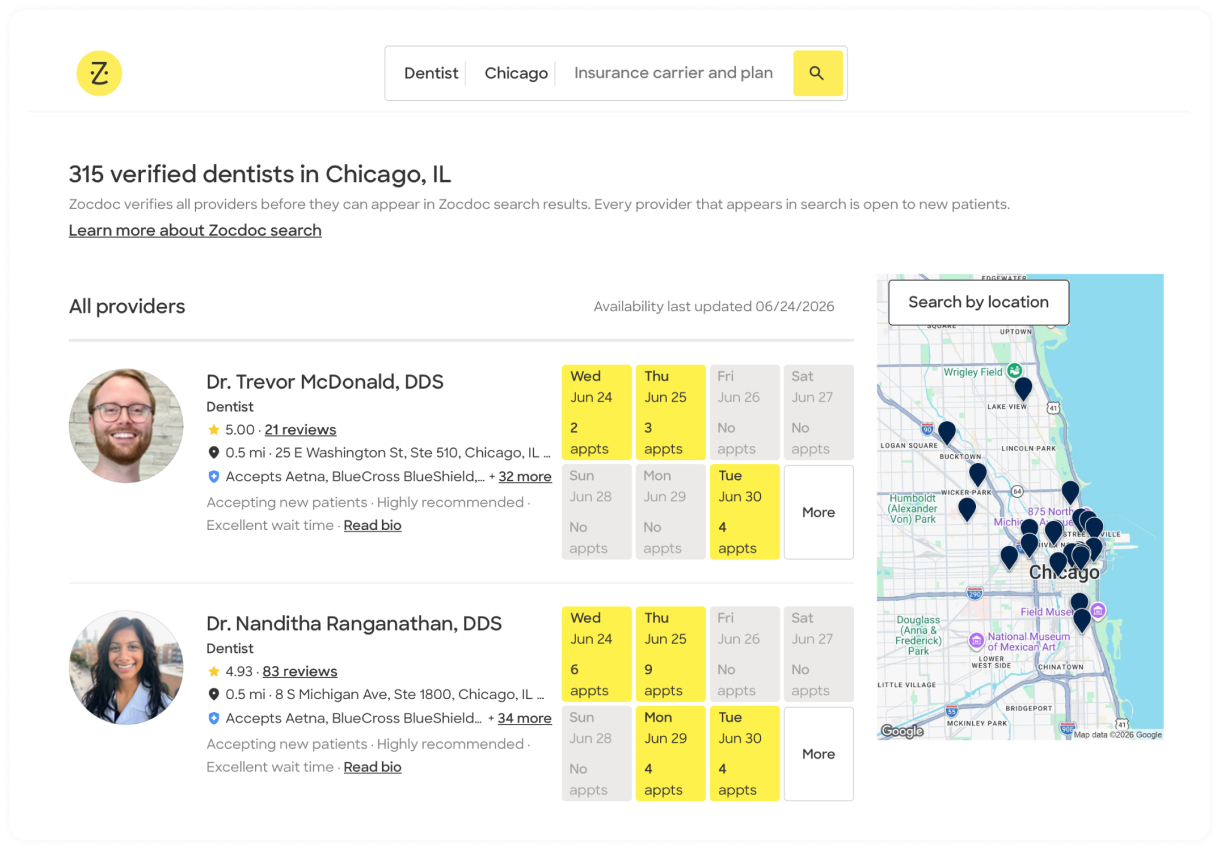
For review platforms like Yelp or TripAdvisor, search for your business first. A customer may have already created a listing with a review. If one exists, claim and verify it. If not, submit your business details and create the listing yourself.
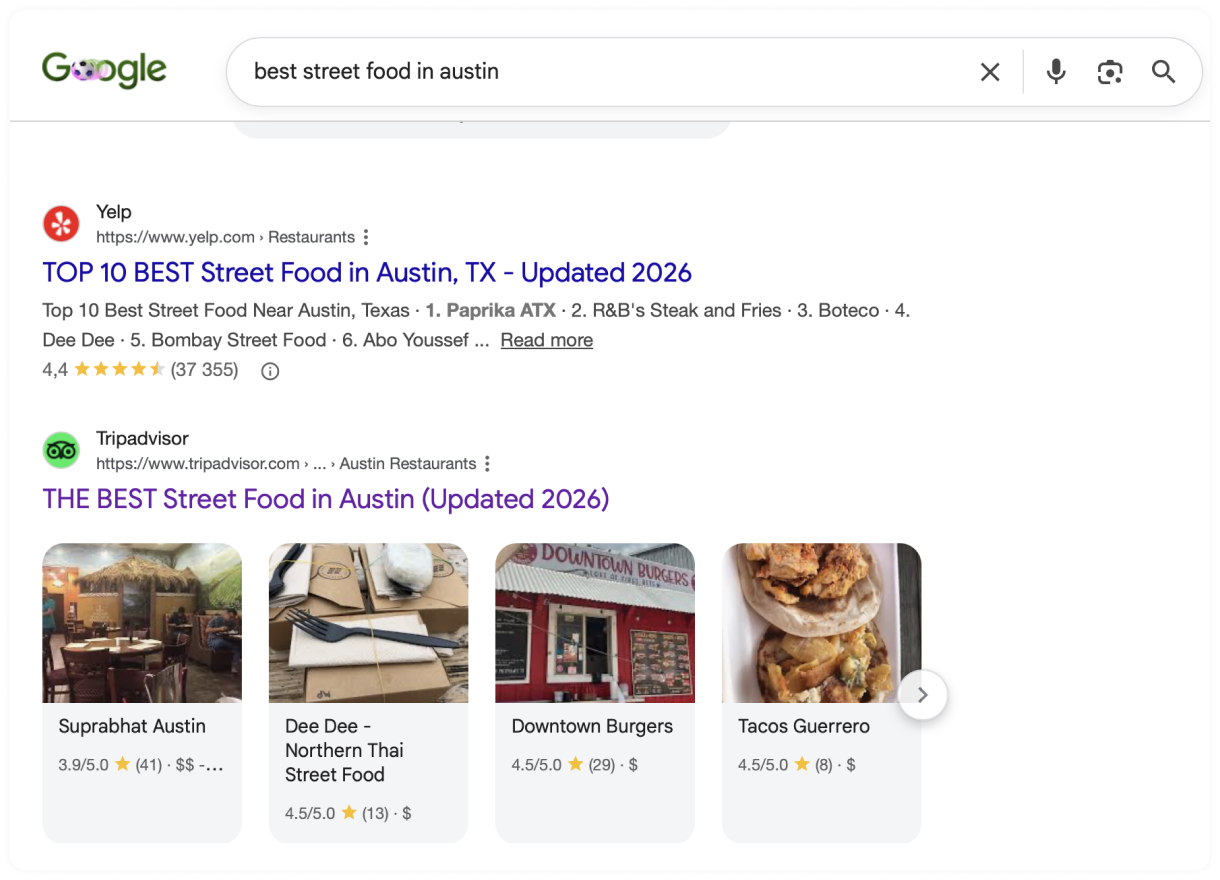
From there, your visibility on their built-in “best of” lists often depends on your review volume, rating, category, and profile completeness. And it’s worth doing because searches like “best restaurants in Austin” often surface Yelp or Tripadvisor lists before individual business websites, as you can see below.
2. Join Your Local Chamber of Commerce and Business Associations
To take local trust a step further, look toward official business groups. Google trusts local Chambers because they manually verify that you are a real business in the area.
Jason Hennessey, CEO of Hennessey Digital, put it perfectly on LinkedIn:
“Google looks at backlinks like votes of confidence. The more trusted websites that link to you, the more authority your website builds. That’s why links from places like the Better Business Bureau, Chamber of Commerce, or major publications carry so much weight.”
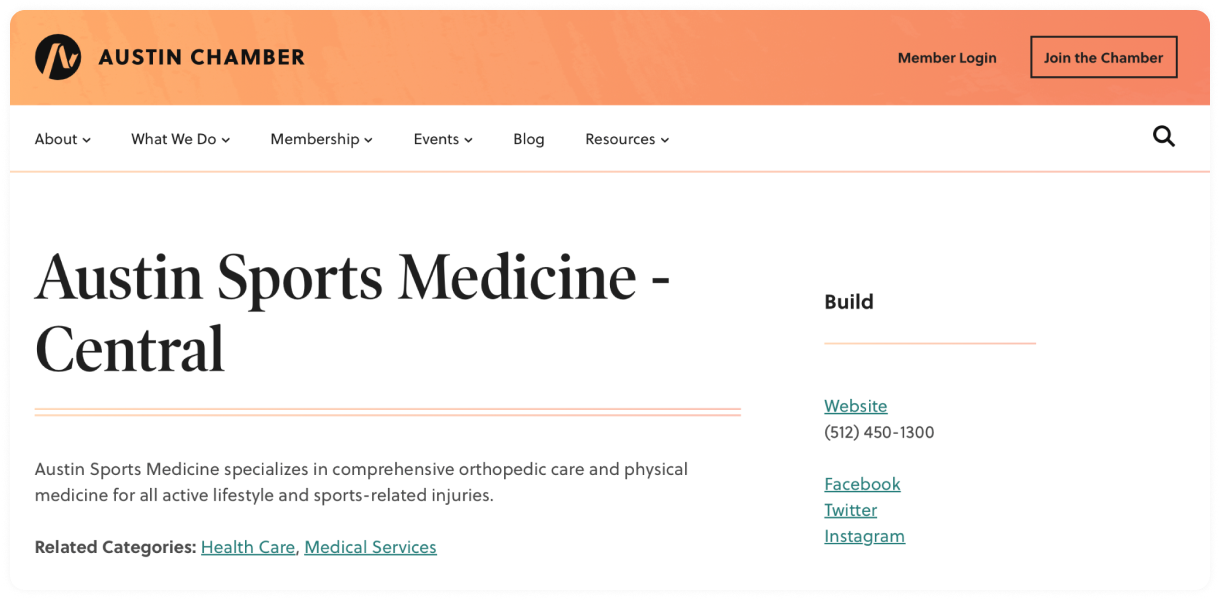
For example, Austin Sports Medicine has a verified profile on the Austin Chamber of Commerce. This gives them a powerful backlink from a highly trusted local domain Google already trusts.
3. Ask Partners and Vendors for a Link
Next up, think about the local partners or sponsors you already work with. If you provide a service that adds value to their customers, getting them to link to you from their resource or amenities page is a big win.
Here’s a good example from a travel niche. The local tour company in Denver got a high-authority backlink directly from The Ritz-Carlton on their official “Experiences” page.
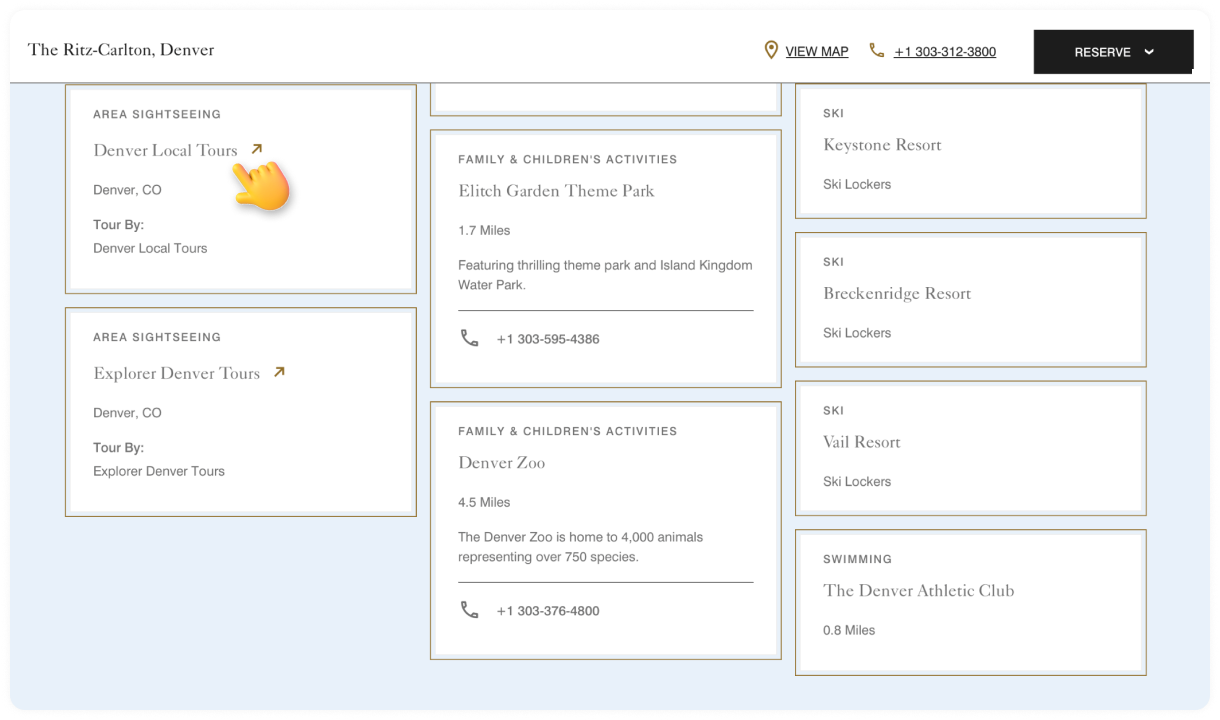
The hotel links straight to the tour site to recommend activities to its guests, giving the tour company a powerful local link.
4. Turn Unlinked Brand Mentions Into Backlinks
If your business has been around for a while, local news sites or blogs have probably written your name at some point without actually linking to your site. You just need to find them and ask for the hyperlink.
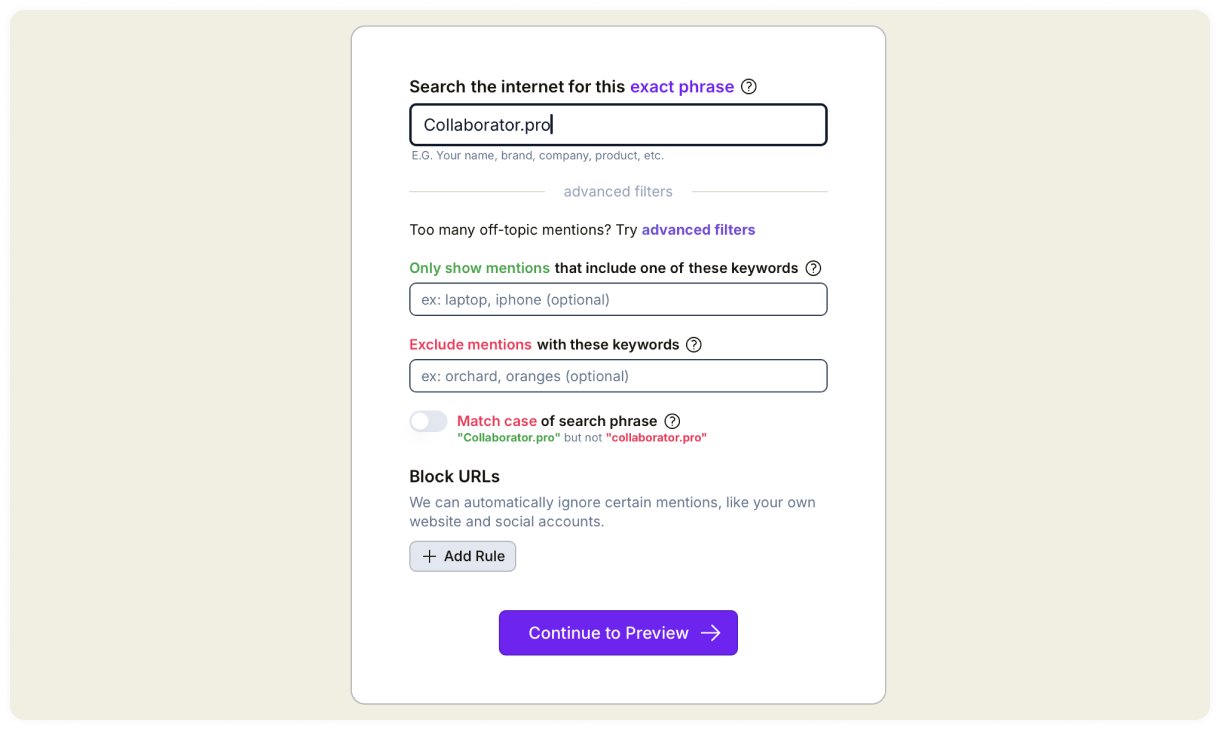
The best tools to track these down are Google Alerts and AlertMouse. They monitor specific keywords related to your brand and ping you the moment you get a new mention online. Here’s how you can set it up inside AlertMouse:
5. Sponsor Small Local Events or Community Pages
This is the tactic many local businesses swear by. Local little leagues, charity runs, and neighborhood festivals are always looking for small sponsorships. They always feature the logos of the local businesses that backed them, with a direct link back to their sites, just like in the example here:
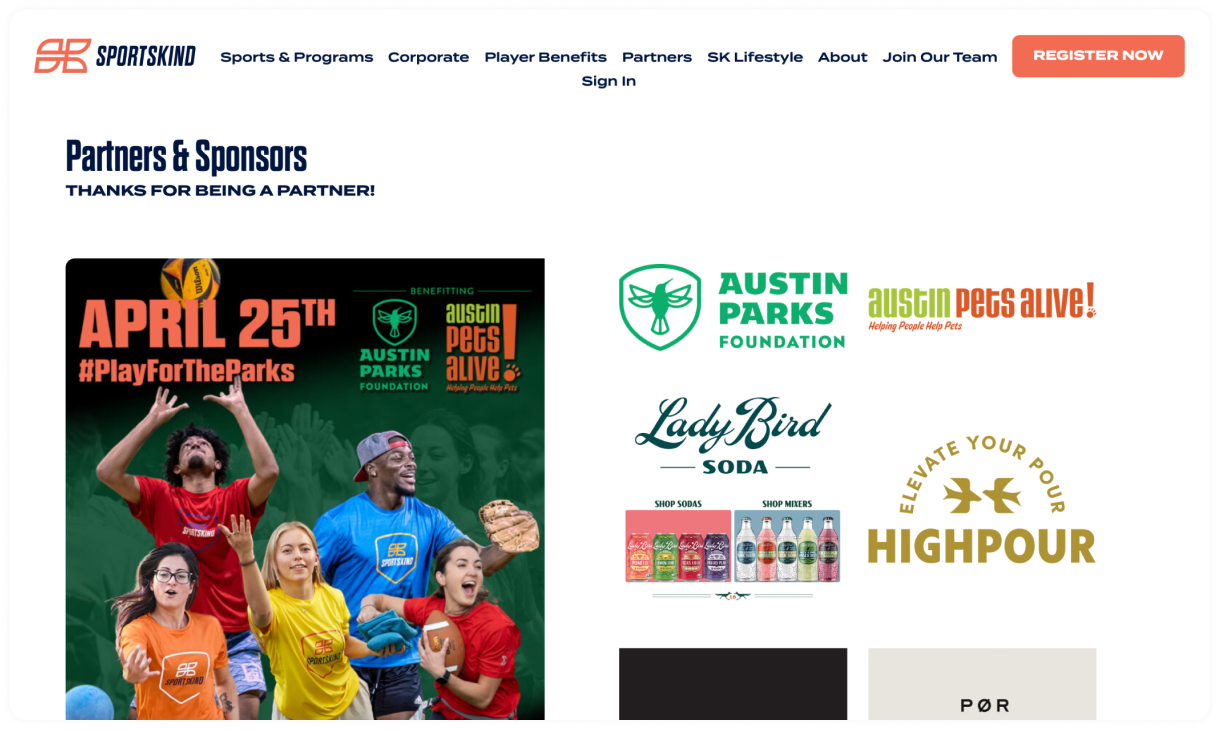
To find such link opportunities, type your city followed by footprints like inurl:sponsors or "community partners" into the search bar. This immediately pulls up local clubs and event pages in your area that already have dedicated pages set up to link out to their sponsors.
Harder Ways to Build High-Authority Local Backlinks
These take more creative work and outreach, but they give you massive authority, and your competitors won’t be able to copy them easily. If you don’t have time to manage the outreach in-house, a link building agency can handle the pitching and follow-ups for you. Otherwise, here are four tactics you can use to earn these links yourself.
6. Get Featured in Local “Best Of” Roundup Articles
Lots of local blogs run their own roundups like “Best Moving Companies in NYC.” It’s an excellent way to get in front of your target audience while also earning a link from a relevant website. Getting listed on these takes outreach, but the links tend to be high-authority and highly relevant.
For example, if you look at Roadway Moving’s backlink report in Ahrefs, you’ll see they show up in several of these roundups.
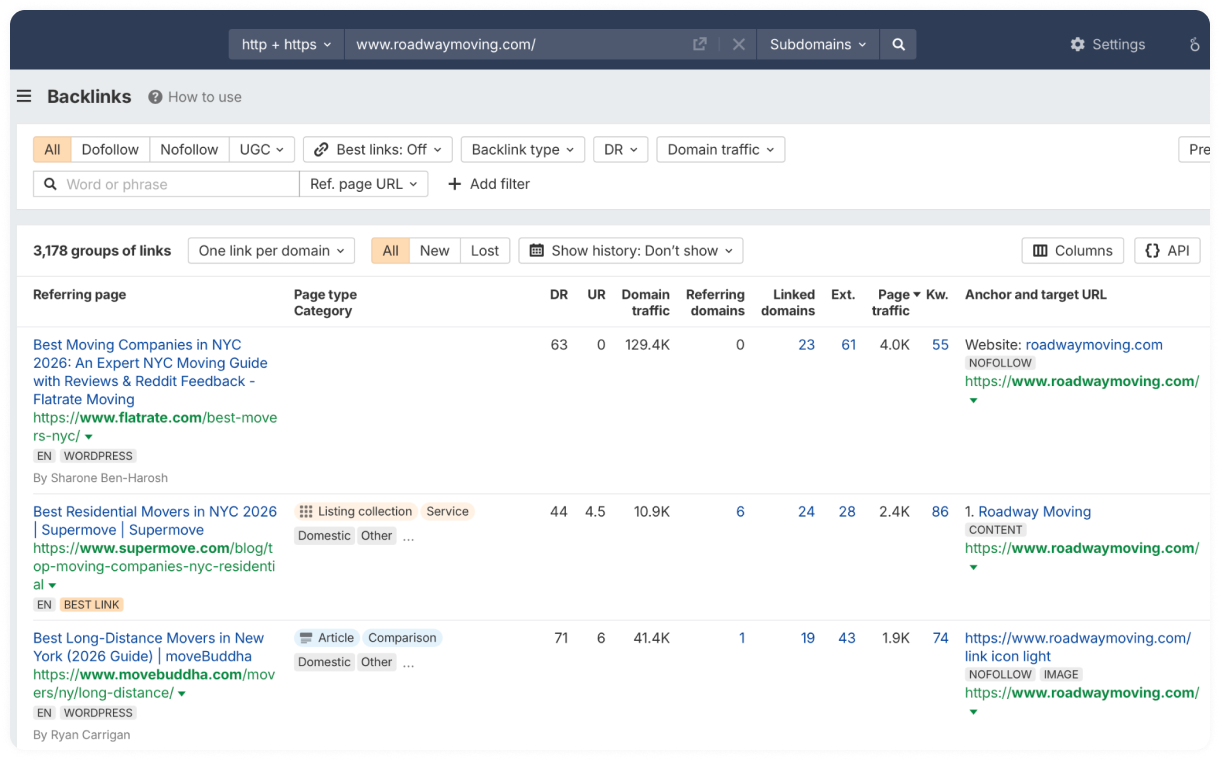
This isn’t a coincidence — it’s one of the most common link building tactics for local businesses, and it’s increasingly valuable for AI visibility too.
Ahrefs’ study found that “best of” listicles account for 43.8% of all AI citations, making them one of the biggest levers for getting your business recommended by ChatGPT and similar tools.
7. Publish Expert Guides Other Businesses Want to Link To
Local businesses often link out to genuinely useful how-to content when it saves them from writing it themselves — think moving companies linking to packing tips, landscapers linking to lawn care guides, or HVAC companies linking to seasonal maintenance checklists.
For example, if you’re in a moving space, you could write something like “15 Packing Tips for Cross-Country Moving.” Such guides often get referenced as a helpful resource.
8. Pitch Expert Commentary to Local Media
When a publication is covering a topic in your industry, they often need a quote from someone who does the work — and that quote almost always comes with a link back to your site.
For example, MyDomaine’s “8 Expert-Approved Tips Make Moving So Much Easier” features commentary from Ross Sapir, founder of NYC-based Roadway Moving, with a direct link back to the company woven right into the quote attribution.
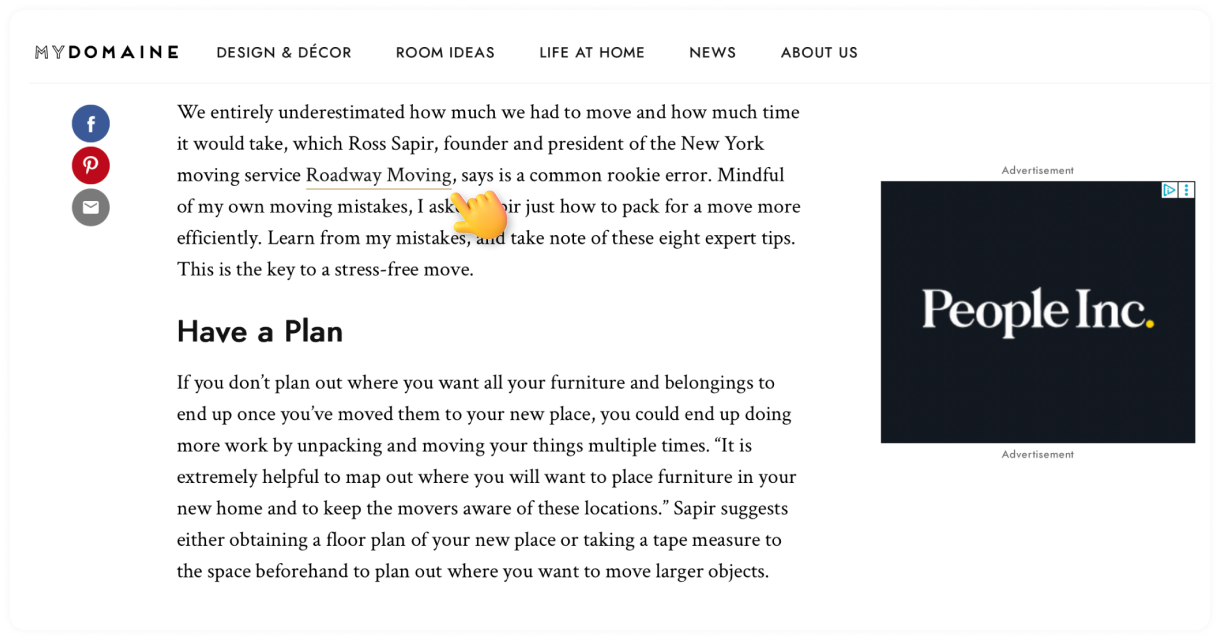
To land something similar, monitor source-request and expert-quote platforms like Featured, Qwoted, SourceBottle, and local journalist posts on LinkedIn or X.
9. Partner With Local Creators and Bloggers
Find the influencers or lifestyle bloggers who already have an audience in your city, then offer them a free service or invite them to a small event.
This works especially well in niches like wellness, food and beverage, home services, and fitness — basically anywhere a creator can genuinely use or experience what you offer and write about it honestly.
For example, if you are a local wellness or healthcare brand, you can host an intimate “wellness afternoon” for five or six local fitness bloggers. When they write an honest recap of their experience on their blogs, you get high-quality, contextual links.
Best Practices for Earning Local Links
Getting the links is one thing — making sure they improve your visibility and sales is the other. Here are a few things worth keeping in mind as you build your prospect list.
- Vet every site before outreach. Run a quick check: does it get real organic traffic? Does the page you’re getting a link from have its own referring domains? Is it topically relevant to your business and location? If most of the answers are no, skip it. One strong, relevant local link will do more for your rankings than ten low-quality ones.
- Balance your link profile. A common mistake is going after only high-authority links like local press, .edu, or .gov domains. In practice, a mix works better. A few high-authority placements combined with a steady stream of niche directory links, partner mentions, and community pages give Google a more natural, well-rounded signal.
- Use anchors naturally. The text that links to your site matters too. A healthy local link profile uses a mix of branded anchors, like “Roadway Moving,” plain URLs, service + city combinations, like “NYC moving company,” and partial-match phrases. What you want to avoid is over-optimized exact-match anchor text repeated across multiple links.
- Don’t forget about AI visibility. BrightLocal’s 2026 survey found that 45% of consumers now use tools like ChatGPT for local recommendations too. So when you’re choosing link prospects, it’s worth prioritizing sites AI tools are likely to trust and reference, like local “best of” guides, review platforms, and trusted roundups.
Local Link Building Checklist
You can use this as a running reference every time you start a new campaign or refresh an existing one:
|
Step |
What to do |
Why it matters |
|---|---|---|
| 1. Define your target area | Clarify the city, neighborhood, and service area you want to rank in. | Keeps you from chasing links from places your customers don’t come from. |
| 2. Audit existing citations and links | List current directories, local mentions, and backlinks. | You’ll see what’s already working and where there are gaps. |
| 3. Analyze top local competitors | Use a free backlink checker to see who links to the businesses already ranking in the map pack. | This shows you the “minimum” link profile you need to catch up. |
| 4. Build a prospect list by tactic | Group prospects into directories, media, events, partners, and communities. | Makes outreach less overwhelming and easier to batch by type. |
| 5. Vet each prospect | Note relevance, authority, traffic, link type, and potential risk. | Helps you avoid wasting time on low-quality or spammy sites. |
| 6. Prepare anchors and landing pages | Decide which pages you want to strengthen and what natural anchors to use. | Prevents over-optimized anchors and keeps your link profile looking natural. |
| 7. Track placements and status | Log who you contacted, when links went live, and their status. | Without a simple tracker, it’s easy to lose track of wins and follow-ups. |
As you work through the checklist, keep one more thing in mind: not every page on your site needs the same level of authority. That’s why it helps to decide where new backlinks should point before you start outreach.
For local companies, these are usually priority service pages and location pages — the pages most closely tied to leads, bookings, or sales. Build links to those first, then expand to supporting content, guides, and other helpful resources.
Related reading
- • 12 Best Link Building Tools for SEO in 2026
- • 175+ Free Guest Posting Sites List 2026. Top Websites To Submit Guest Posts
- • Free Backlinks: 55 High-Authority Sites List to Build Links for Free in 2026
- • 5 Local SEO Tactics for Boosting Website Visibility
- • Do Backlinks Work for AI Assistants and AI Overviews?